Blog ·
Why Seasonal Tire Changes Matter for Your Vehicle's Performance
Switching between summer and winter tires isn't just a seasonal ritual—it's essential maintenance that directly impacts your vehicle's safety, handling, and fuel efficiency. Understanding why seasonal tires matter helps you make informed decisions about your tire management strategy.
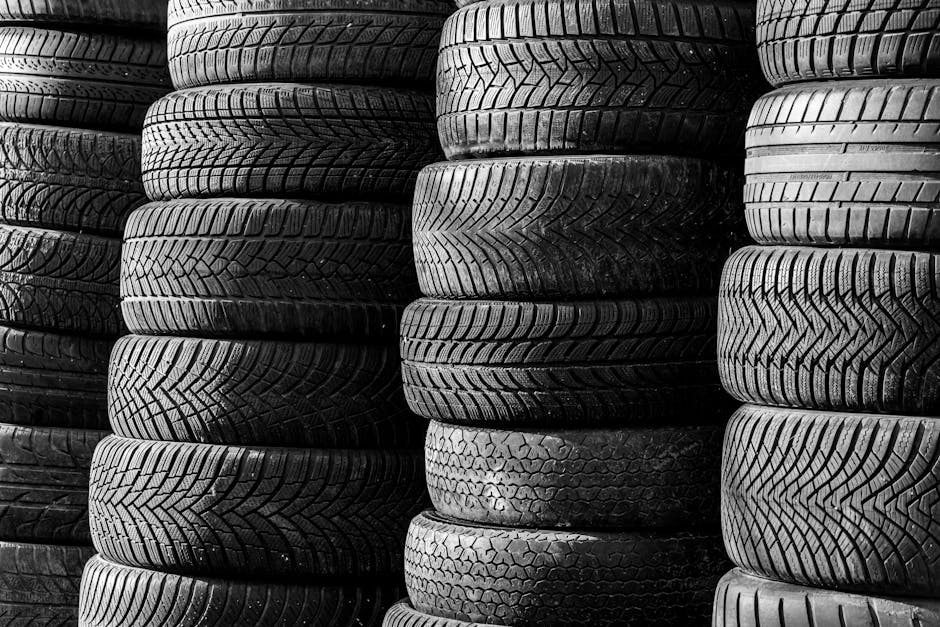
Winter tires and summer tires are engineered differently for specific driving conditions. Winter tires feature deeper tread patterns and softer rubber compounds that maintain flexibility in cold temperatures, providing superior grip on snow and ice. Summer tires, by contrast, have shallower treads and harder compounds optimized for warm weather traction and fuel economy. Using the same tires year-round forces a compromise that reduces your vehicle's performance in both seasons.
Proper tire selection directly affects safety. Appropriate seasonal tires reduce stopping distances and improve control in challenging weather conditions. When temperatures drop, even all-season tires lose grip because their rubber hardens. Winter tires prevent this loss of performance, giving you better handling and shorter braking distances when you need them most.
Beyond safety, seasonal tires affect fuel efficiency and tire longevity. Summer tires generate less rolling resistance in warm conditions, improving gas mileage. Winter tires work harder in summer heat, wearing faster and wasting fuel. By switching seasonally, you extend the life of both sets, getting more value from your investment.
The installation and rotation process requires precision. Mounting tires incorrectly or failing to balance them properly creates vibration, uneven wear, and accelerated deterioration. Professional installation ensures your tires are balanced, aligned, and mounted to manufacturer specifications. Regular rotation—changing each tire's position on your vehicle—distributes wear evenly, maximizing tire lifespan.
Many vehicle owners struggle with the logistics of seasonal tire changes. Storing tires improperly—exposed to sunlight, temperature extremes, or chemicals—degrades the rubber and shortens their useful life. Professional storage facilities maintain ideal conditions: consistent temperatures, darkness, and proper stacking. This protects your investment while freeing up valuable garage space.
The peace of mind that comes with professional tire management is substantial. You're not worried about whether your tires are properly stored or whether installation was done correctly. You can focus on driving safely knowing that your vehicle's tire system has been handled by knowledgeable professionals.
Seasonal tire management represents a smart investment in vehicle safety, performance, and longevity. Whether you're preparing for winter weather or transitioning back to summer driving, professional tire management services take the complexity out of this essential maintenance task.