Blog ·
The Tire Rotation Schedule You Need to Know
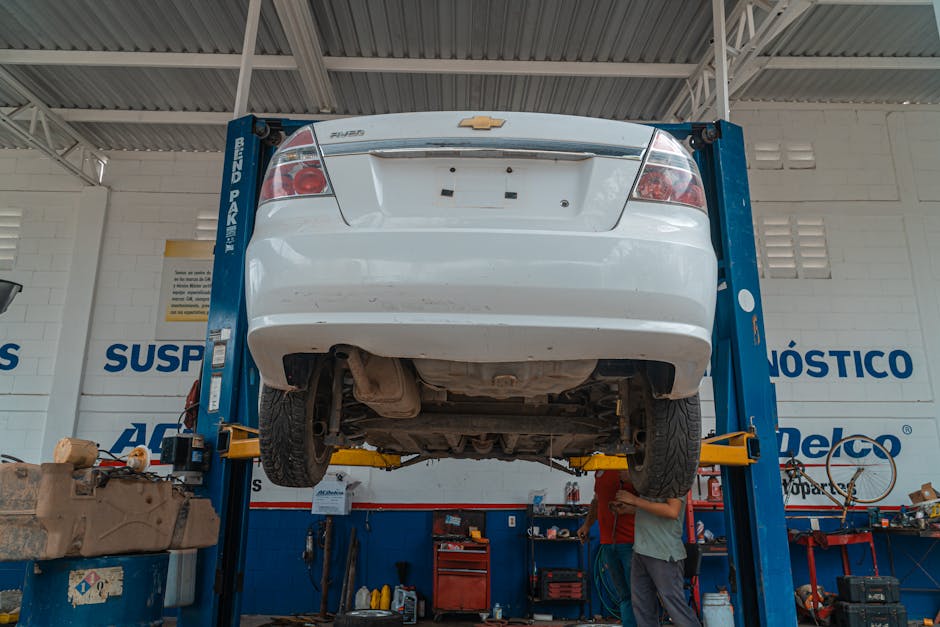
Tire rotation is one of the simplest yet most neglected maintenance tasks, yet it's critical for extending tire life and maintaining balanced vehicle handling. Understanding how rotation works and why it matters helps you make smart decisions about your tire maintenance routine.
Every tire on your vehicle wears differently based on its position. Front tires typically experience more wear because they handle steering, acceleration, and braking forces. Rear tires wear more slowly. By rotating tires—moving each to a different position on your vehicle—you distribute wear evenly across all four tires. This extends the lifespan of every tire in your set, meaning you replace all four simultaneously rather than replacing pairs prematurely.
Vehicle manufacturers specify rotation intervals, typically every 5,000 to 8,000 miles or every six months, whichever comes first. Following this schedule ensures even wear distribution before significant differences develop. Neglecting rotation can shorten tire life by thousands of miles, reducing your value from the original purchase.
Different vehicles require different rotation patterns. Front-wheel-drive vehicles, rear-wheel-drive vehicles, and all-wheel-drive vehicles each have specific patterns that balance wear most effectively. Professional technicians understand these nuances and apply the correct pattern for your vehicle.
Proper rotation also provides an opportunity to inspect tires for damage, uneven wear patterns, and pressure problems. Identifying issues early—before they become safety concerns—prevents more serious problems down the road. A tire showing unusual wear might indicate alignment issues, suspension problems, or incorrect inflation. Addressing these during rotation service prevents further damage.
Seasonal tire changes present the perfect time for rotation service. When you're already removing tires for storage, having them rotated and balanced during the transition between seasonal sets makes practical sense. You're not making extra appointments or arranging separate service appointments.
Beyond rotation, seasonal transitions offer opportunities to check tire pressure, inspect sidewalls, and evaluate tread depth. These simple checks take minutes but provide valuable information about tire condition. Professional technicians perform these assessments as standard practice.
Professional tire rotation ensures proper technique, correct pattern application, and attention to detail. You don't need to worry about whether your tires were rotated correctly or whether they're properly balanced afterward. The work is done to manufacturer specifications, protecting both your safety and your investment in quality tires.